
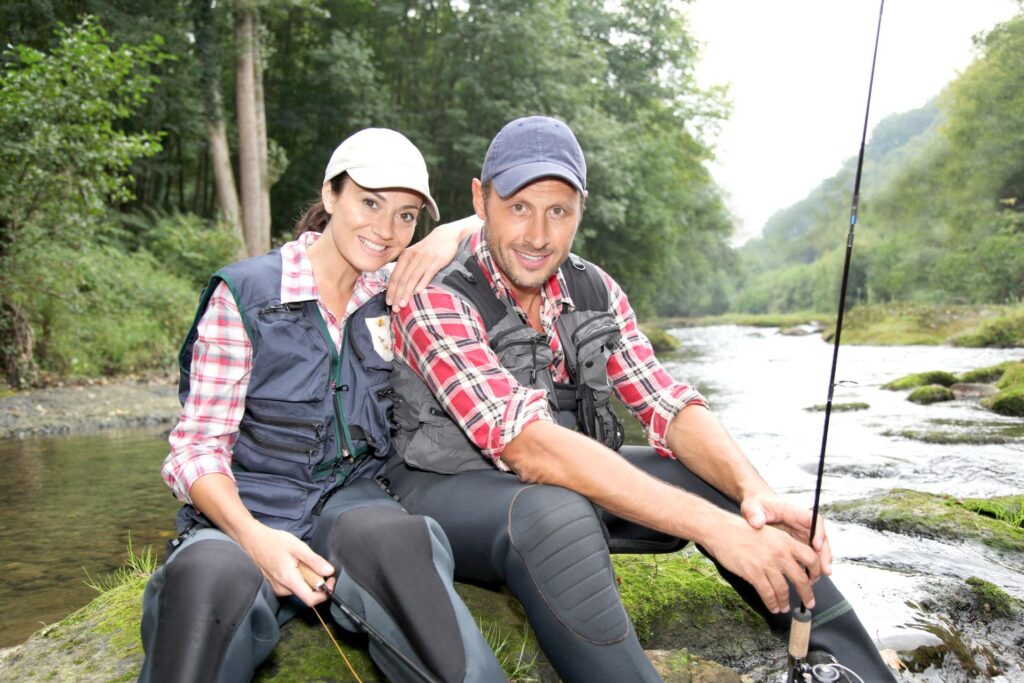
The difference between a good fishing trip and a truly memorable one often comes down to where you pitch your tent. A well-chosen basecamp transforms your angling excursion from a series of disconnected outings into an immersive wilderness fishing adventure. The right location provides more than shelter; it becomes your strategic headquarters, your place of restoration, and your connection point to the waters you’ve come to explore.
Understanding What Makes a Basecamp Ideal
The perfect fishing basecamp exists at the intersection of accessibility and remoteness. You want to be close enough to productive waters that you’re not exhausting yourself with long approaches before you even make your first cast, yet far enough from crowds that you maintain that sense of discovery and solitude that makes backcountry angling special.
Water access stands as the primary consideration. The best camps position you within a reasonable walk of multiple fishing spots, giving you options as conditions change throughout the day. Morning hatches, evening rises, and midday deep pools all have their moments, and being centrally located allows you to capitalize on each window of opportunity without breaking camp.
Terrain matters equally. Flat ground for your tent, natural windbreaks, and proper drainage can mean the difference between restful sleep and a miserable night. Look for established sites when possible, as these minimize your impact and have often been selected by experienced outdoorspeople who understood what worked in that specific location.
Seasonal Timing and Location Selection
Each season presents unique opportunities and challenges for the angling camper. Spring runoff might limit access to high country streams but opens up opportunities in lower elevations where snow has retreated and fish are actively feeding after winter. The key is matching your basecamp location to the seasonal patterns of both fish behavior and weather conditions.
Summer offers the widest range of options, with high alpine lakes and streams becoming accessible as snowpack melts. These elevated locations provide cooler temperatures for camping comfort and often feature eager trout that see fewer anglers. However, afternoon thunderstorms are common in mountain environments, making it essential to select camp locations that offer natural shelter and avoid exposed ridgelines or areas prone to flash flooding.
Fall presents perhaps the most rewarding time for combining camping and fly fishing. Cooler temperatures, fewer insects, and pre-spawn feeding activity create ideal conditions. Fish tend to be more aggressive, and the changing foliage adds a visual dimension to the experience. Basecamp selection in autumn should account for earlier sunsets and colder nights, favoring sites with southern exposure and protection from wind.
Water Quality and Camp Placement
While being close to fishing water is desirable, proper distance between your camp and the stream or lake edge is crucial for both environmental and practical reasons. Camping too close to water sources can contaminate them and disturb the very ecosystems you’ve come to enjoy. A buffer zone also protects your camp from unexpected water level changes and provides privacy from other anglers who might be working the same stretch.
The ideal distance varies by location and regulations, but generally, positioning your camp at least several dozen paces from the water’s edge serves everyone well. This placement gives you quick access for morning and evening fishing while maintaining the health of riparian zones where many insects hatch and wildlife congregate.
Consider the topography between your camp and the water. Steep banks or thick vegetation might be manageable once or twice, but when you’re making multiple trips per day with gear, these obstacles become tiresome. A gentle approach to the water makes your basecamp more functional and enjoyable over multiple days.
The Art of Reading the Landscape
Experienced backcountry anglers develop an eye for promising basecamp locations by reading subtle clues in the landscape. Animal trails often lead to good camping spots, as wildlife seeks the same combination of water access, shelter, and level ground that makes camping comfortable for humans. However, avoid camping directly on game trails, as this can disrupt wildlife patterns and lead to unwelcome nighttime visitors.
Tree coverage provides natural shelter from sun, wind, and precipitation, but the type of trees matters. Avoid camping under dead trees or large dead branches, which pose a hazard in wind. Similarly, be cautious of camping in areas with extensive beetle kill or other tree disease, as these forests are more prone to falling timber.
Look for signs of previous use, but evaluate whether these sites are still appropriate. Well-established fire rings and worn tent pads indicate a location that can sustain camping traffic, but also consider whether the site has become overused. Sometimes the most popular spots need a rest, and choosing a less-impacted alternative helps preserve the resource for future visitors.
Logistics and Resupply Considerations
For extended trips, think strategically about how your basecamp location affects resupply options and emergency access. While true remoteness has appeal, understanding evacuation routes and communication possibilities provides peace of mind. This doesn’t mean you need cell service at camp, but knowing where you could reach help if needed is prudent wilderness practice.
Water filtration becomes simpler when you camp near reliable water sources, but always have backup options. A productive fishing stream can run cloudy after storms, making a nearby spring or side creek valuable. Scout your water sources upon arrival and identify alternatives before you need them.
Food storage requirements vary by region, with some areas requiring bear canisters or proper hanging techniques. Your camp location should facilitate whatever storage method is required or recommended. Trees suitable for hanging food bags are becoming scarcer in heavily used areas, making bear canisters increasingly essential for responsible backcountry camping.
Setting Up for Success
Once you’ve selected your spot, the setup process can enhance or diminish your basecamp’s functionality. Organize your gear with fishing efficiency in mind. Keep rods rigged and accessible, store flies in a way that lets you quickly change tactics, and create a designated area for drying waders and boots.
A comfortable camp is a functional camp. Take time to clear small rocks and sticks from your tent site, establish a proper kitchen area away from sleeping quarters, and create a system that works for your daily rhythms. Morning coffee should be easy to prepare when you’re eager to reach the water for dawn fishing, and end-of-day routines should be streamlined so you’re not fumbling with gear in fading light.
Environmental Stewardship
The privilege of camping in prime fishing locations comes with responsibility. Practice leave-no-trace principles rigorously, as the places that offer the best fishing are often the most ecologically sensitive. Pack out everything you pack in, including overlooked items like fishing line scraps and food particles.
Minimize your impact on vegetation around camp. Avoid cutting live branches, trampling vegetation unnecessarily, or creating new trails to the water. If you’re camping in a previously unused spot, spread out your activities to prevent creating a worn area that will be visible for years. In established sites, concentrate your impact within the already-affected zone.
Respect other anglers and campers who might be sharing the area. Sound carries remarkably far in quiet backcountry settings, and your basecamp should be positioned and managed in a way that doesn’t interfere with others’ experiences. This consideration often means choosing a location that provides natural screening and maintaining reasonable noise levels, especially during prime fishing hours.
Conclusion
Finding the perfect basecamp for fly fishing adventures is part science, part art, and entirely rewarding when you get it right. The ideal location enhances every aspect of your trip, from the quality of your rest to the productivity of your fishing to your impact on the environment. By considering access, comfort, safety, and stewardship together, you create a foundation for experiences that extend far beyond the fish you catch. The memories formed at a well-chosen basecamp, where the day’s last light catches the water and your line, where morning mist rises from pools holding rising trout, become the stories you’ll tell for years to come.
If you’re ready to experience the ultimate fly-in fishing adventure without the hassle of finding and setting up your own basecamp, consider Brownell Fishing. Our remote camps on pristine northern lakes in Saskatchewan offer the perfect blend of wilderness solitude and comfortable amenities.
Frequently Asked Questions
How close should my basecamp be to the water I plan to fish?
The ideal distance balances accessibility with environmental responsibility and fishing effectiveness. Position your camp close enough that you can easily reach the water multiple times per day without exhausting yourself, but far enough to avoid contaminating the water source or disturbing fish. A distance that takes several minutes to walk provides good access while maintaining appropriate separation. Always follow local regulations regarding setback distances from water bodies.
What should I prioritize if I can’t find a location with all the ideal features?
Prioritize safety and environmental protection first, then comfort, then fishing access. A safe, responsible campsite that’s a bit farther from your target water is better than a poorly chosen site that puts you at risk or damages the environment. You can always walk to good fishing, but you can’t easily change a fundamentally flawed camp location once you’re settled in.
Is it better to establish one basecamp or move camp daily to follow the fishing?
This depends on your goals and the area you’re exploring. A single basecamp works well when you’re in a central location with access to varied water, allowing you to travel light to different spots each day. Moving camp makes sense when you’re exploring a linear drainage system or want to fish waters that are too far apart for day trips. Consider your energy levels, the weight of your gear, and how much time you want to spend fishing versus moving camp.
How do I evaluate whether a promising fishing spot is appropriate for camping?
Look beyond the immediate appeal of nearby productive water and assess the complete picture. Check for level ground, natural shelter, appropriate distance from water, absence of hazards like dead trees, and evidence that the location can sustain camping without excessive impact. If a spot seems too good to be true, it might be in a floodplain, on a game trail, or in an ecologically sensitive area that shouldn’t be used for camping.
What weather considerations should influence my basecamp selection?
Consider prevailing winds and position your camp to take advantage of natural windbreaks. Evaluate exposure to afternoon storms, which are common in many mountain areas. Avoid low spots that might collect cold air at night or water during storms. Think about sun exposure throughout the day; some morning sun is pleasant, but camps that receive full sun all day can become uncomfortably hot. In areas prone to lightning, avoid the highest points in the landscape and isolated tall trees.